Crafting Depth: The Rise of the Gingerbread House 3D Shadow Box in Modern Holiday Decor
The holiday season has always been defined by a tension between tradition and innovation. We crave the nostalgic warmth of classic symbols, yet we increasingly seek ways to present them through a modern, personalized lens. Enter the Gingerbread House 3D Shadow Box, a decorative piece that perfectly bridges this gap. Far more than a simple flat illustration or a fragile edible treat, this layered paper-cutting template encapsulates the whimsy and charm of the holidays while offering a sophisticated, tactile experience. It represents a shift in how we approach seasonal decorating, moving away from mass-produced uniformity toward curated, handmade depth that tells a story.
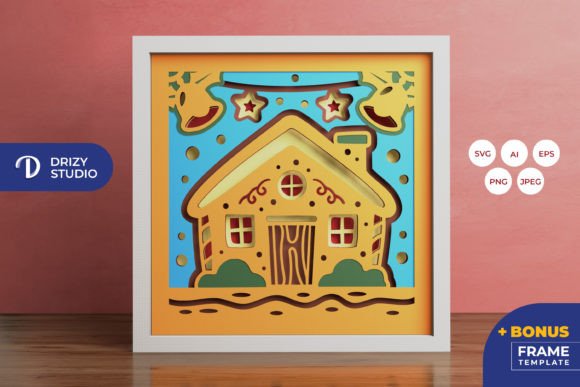
At its core, the Gingerbread House 3D Shadow Box - Christmas Shadow Box is an intricate design that offers a captivating peek into a sugary wonderland. However, its relevance extends far beyond its aesthetic appeal. In an era where digital saturation is high, there is a growing consumer and creator demand for tangible, physical artifacts that require engagement. The process of assembling a six-layer shadow box forces a slowdown, a moment of mindfulness that contrasts sharply with the frenetic pace of modern life. This trend aligns with the broader "slow living" movement, where the value lies not just in the final object, but in the intentional act of creation.
The Evolution of Seasonal Crafting and Digital Workflows
The popularity of layered paper art is not accidental; it is the result of evolving creative workflows and accessible technology. A decade ago, creating a multi-dimensional scene like this would have required advanced drafting skills and hours of manual sketching. Today, the barrier to entry has lowered significantly thanks to precise digital templates. The modern Gingerbread House 3D Shadow Box typically arrives as a comprehensive digital package, often including formats like AI, EPS, PNG, SVG, and high-resolution JPEGs. This versatility caters to a wide spectrum of users, from the tech-savvy entrepreneur running a small Etsy shop to the hobbyist looking for a weekend project.
For creators and small business owners, the availability of files compatible with cutting machines such as Silhouette and Cricut has revolutionized production. These SVG files allow for exact replication of complex details—like the icing on the roof or the texture of the gumdrop path—that would be tedious to cut by hand. Yet, the design remains accessible to those without expensive equipment. The templates are designed so that an art knife and scissors are sufficient, ensuring that the craft remains inclusive. This duality supports a diverse ecosystem of makers: those who automate for scale and those who cherish the manual process.
Furthermore, the standardization of file sizes, such as the common 714 x 714 px vector formats or the 20.32×20.32 cm physical dimensions, reflects a maturing market. Users know exactly what to expect regarding aspect ratios and scalability. The ability to resize SVG files while maintaining integrity means that a single design can be adapted for a small greeting card or a large wall installation, providing flexibility that modern consumers demand. This adaptability is crucial for professionals who need to maximize the utility of their assets across different mediums.
Design Mechanics and the Art of Layering
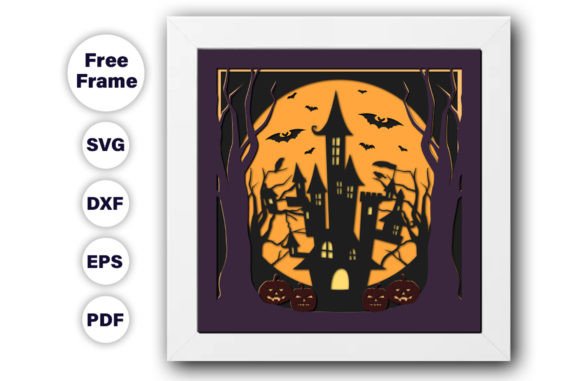
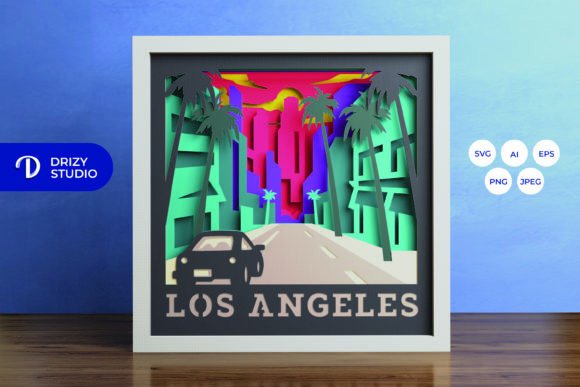
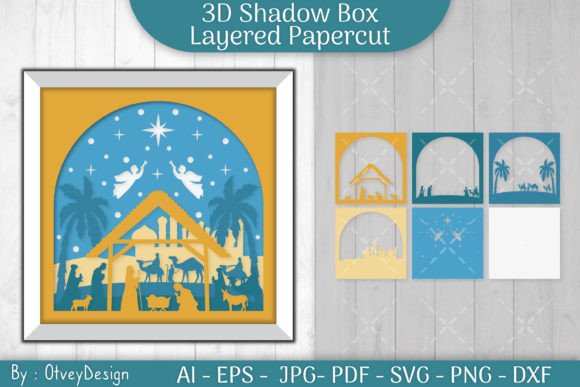
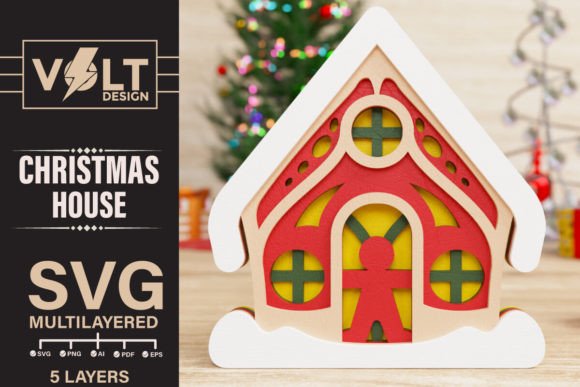
What sets the Gingerbread House 3D Shadow Box apart from traditional decor is its reliance on depth. Typically consisting of six distinct layers, the design utilizes the interplay of light and shadow to create a sense of volume that flat images cannot achieve. Each layer serves a specific narrative function. The background might establish a snowy night sky, while intermediate layers introduce architectural elements of the gingerbread house, and the foreground adds festive details like wreaths or falling snow.
This layering technique requires a thoughtful approach to assembly. Whether using glue or double-sided tape, the spacing between layers is critical. Too close, and the shadow effect is lost; too far, and the structural integrity may compromise the visual cohesion. For those aiming for a truly enchanting result, the integration of lighting transforms the piece entirely. By inserting LED strips between the layers, the static paper cutout becomes a glowing lightbox. This modification highlights the translucency of the paper and casts dynamic shadows, turning a daytime decoration into a mesmerizing nighttime focal point. This potential for transformation appeals to interior designers and homeowners looking for versatile decor that adapts to different times of day.
The square format, often measuring around 20cm per side, fits neatly into standard deep-frame shadow boxes available at most craft stores. This compatibility reduces friction for the end-user, allowing them to focus on the creative assembly rather than sourcing obscure materials. The precision required in aligning these layers also fosters a sense of accomplishment. When the final frame is closed, the viewer is presented with a cohesive scene that feels alive, capturing the spirit of Christmas in a way that feels both timeless and contemporary.
Practical Implications for Creators and Gift Givers
For the modern consumer, the Gingerbread House 3D Shadow Box serves multiple functional roles. Primarily, it acts as a high-value gift. In a market flooded with generic items, a handmade shadow box conveys effort and thoughtfulness. It is an ideal present for friends, family, or colleagues who appreciate artisanal quality. The personalization potential is immense; creators can swap out paper colors to match a recipient's home decor or add custom elements to the layers, making each piece unique.
From a business perspective, these templates represent a viable product line for digital sellers. The low overhead of digital goods combined with the high perceived value of the finished physical product creates a strong margin opportunity. Marketers and bloggers can leverage this trend by creating tutorial content, showcasing the assembly process, or demonstrating the "before and after" of adding lighting effects. Such content performs well on visual platforms, driving traffic and engagement.
Educators and community leaders can also utilize these designs for workshops. The step-by-step nature of assembling a six-layer box makes it an excellent group activity that teaches patience, fine motor skills, and spatial reasoning. It encourages collaboration, as participants can work on different layers before coming together to assemble the final piece. This social aspect of crafting reinforces community bonds, a need that has become increasingly prominent in recent years.
Navigating Trends and Future Expectations
As we look at the trajectory of holiday decor, the shift toward interactive and dimensional art seems set to continue. Consumers are becoming more discerning, seeking items that offer an experience rather than just an object. The Gingerbread House 3D Shadow Box fits this expectation perfectly. It invites interaction, whether through the assembly process or the manipulation of light. It also aligns with sustainability trends; paper is a renewable resource, and a well-crafted shadow box is durable enough to be unpacked and displayed year after year, reducing the waste associated with cheap, disposable decorations.
However, success with this medium requires attention to detail. Users must respect the technical constraints, such as keeping the aspect ratio when resizing files to prevent distortion of the gingerbread elements. Choosing the right paper weight is also essential; too thin, and the layers may warp under the tension of the frame; too thick, and the frame may not close properly. These practical considerations underscore the importance of following instructions and understanding the materials at hand.
Ultimately, the enduring appeal of the Gingerbread House 3D Shadow Box lies in its ability to evoke emotion through structure. It captures the magic of the season not just through imagery, but through the physical depth that mirrors the richness of holiday memories. Whether displayed as a framed wall decoration or illuminated as a glowing centerpiece, it stands as a testament to the power of combining traditional motifs with modern crafting techniques. For anyone looking to infuse their holiday season with creativity and charm, this layered wonderland offers a perfect starting point.