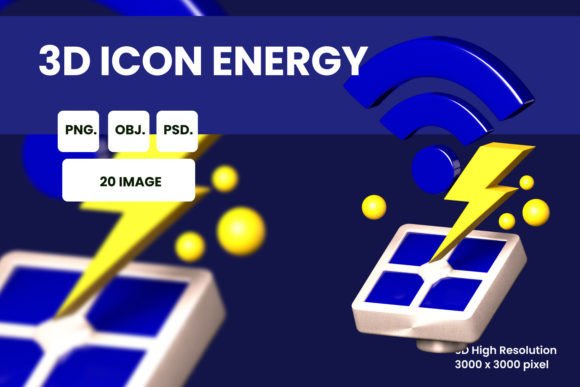
Unlocking Potential with 3D Icon Energy Assets
In the fast-paced world of digital design, visual communication often happens in a split second. Whether you are building a website, crafting a social media campaign, or designing a presentation for investors, the graphics you choose need to convey meaning instantly. This is where 3D Icon Energy assets come into play. These aren't just flat images; they are dimensional, tactile representations of power, electricity, and motion that grab attention far more effectively than traditional two-dimensional symbols.
When we talk about energy in a visual context, we are usually referring to concepts like speed, innovation, sustainability, or raw power. A high-quality 3D render of a lightning bolt, a glowing battery, or a spinning turbine does more than decorate a page; it tells a story. The depth and lighting inherent in these files create a sense of realism that flat vectors sometimes struggle to achieve, making them ideal for modern interfaces that favor depth and texture.
Why Dimensionality Matters in Modern Design
The shift toward 3D elements in user interface (UI) and user experience (UX) design has been significant over the last few years. Users have become accustomed to high-definition screens and immersive experiences. A 3D Icon Energy graphic leverages this expectation by providing a tangible feel to abstract concepts. For instance, representing "fast charging" with a simple yellow outline is functional, but rendering it as a glossy, three-dimensional bolt with realistic lighting effects makes the feature feel premium and urgent.
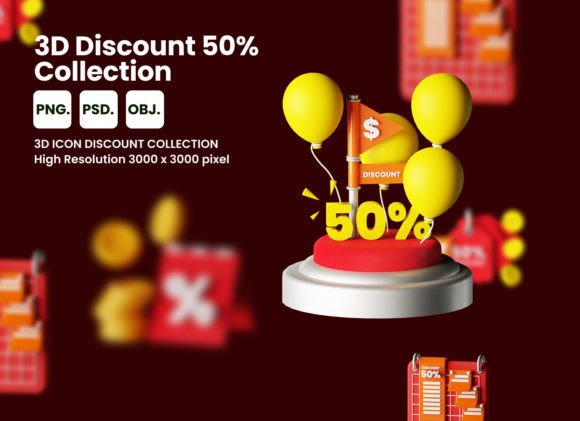
These assets typically come in versatile formats to suit different stages of the design process. You might find them as high-resolution PNG files, which are perfect for immediate use in web banners or slide decks because they often include transparent backgrounds. For professionals who need to tweak lighting, angles, or textures, having access to the source files like PSD (Photoshop) or OBJ (3D object) formats is invaluable. This flexibility allows a marketer to drop an icon into a blog post while a 3D artist can import the same asset into a modeling program to integrate it into a larger scene.
Practical Applications Across Industries
The utility of energy-themed icons extends far beyond just tech startups. Here is how various professionals can leverage these visuals:
- Green Tech and Sustainability: With the global focus shifting toward ecology, companies in the renewable sector need visuals that represent wind turbines, solar panels, and clean energy flows. A realistic 3D render of a green energy turbine can serve as a powerful hero image for an environmental NGO's homepage.
- E-Commerce and Retail: Online stores selling electronics or batteries benefit greatly from clear, isolated icons that indicate product features. A "long-lasting battery" symbol rendered in 3D can increase consumer confidence more effectively than text alone.
- Education and E-Learning: Educators creating courses on physics or environmental science can use these illustrations to explain complex concepts like voltage, current, or storm formation. The visual clarity helps students grasp abstract ideas quickly.
- App Development: Mobile apps often rely on iconography to navigate users through features. An energy app tracking consumption needs distinct, recognizable symbols for different power sources, and 3D icons provide the necessary visual weight to stand out on small screens.
Understanding File Formats and Quality
One of the most critical aspects of working with digital assets is understanding what you are downloading. When you encounter a package labeled as High Resolution 3000 x 3000 Pixel, it means the image is crisp enough for large-format printing without losing quality. This is crucial for designers who might need to use the same asset on a business card and a billboard.
The inclusion of multiple file types caters to different skill levels. If you are a beginner or a small business owner handling your own marketing, a PNG file is your best friend. It allows you to place the icon over any colored background without unsightly white boxes around the edges. On the other hand, if you are a graphic designer looking to customize the hue of a lightning bolt to match a specific brand palette, the PSD file offers layer control. For those diving into 3D modeling or game development, the OBJ file provides the actual geometric data, allowing you to rotate the object in 3D space and apply your own materials.
Color Psychology and Visual Impact
Energy icons often rely on specific color palettes to evoke immediate emotional responses. Yellow and orange are traditionally associated with electricity, caution, and high voltage. They are energetic and eye-catching, perfect for warning signs or highlighting "fast" features. Conversely, green is the universal color for nature, sustainability, and safe power. Using a green 3D icon for a renewable energy project instantly communicates eco-friendliness.
Lighting plays a massive role in these renders as well. A well-lit 3D icon will have highlights and shadows that define its shape. This "glossy" or "matte" finish can be adjusted to fit the overall aesthetic of your project. For a futuristic tech company, a shiny, metallic look might work best. For an organic food brand introducing an electric delivery fleet, a softer, matte finish might feel more appropriate.
Things to Consider Before You Download
While these assets are incredibly useful, there are a few practical considerations to keep in mind to ensure they work for your specific needs:
- Licensing and Usage Rights: Always check the license agreement. Some free downloads are for personal use only, while others allow commercial application. If you are using the icon for a client's product or a monetized YouTube channel, ensure you have the right permissions.
- Consistency in Style: If you are building a full set of icons for a website, make sure the lighting direction, render style, and complexity match across all images. Mixing a hyper-realistic lightning bolt with a cartoonish battery can confuse the user and degrade the professional look of your design.
- File Size vs. Performance: High-resolution 3D renders can result in larger file sizes. If you are using these for a website, consider optimizing the PNGs or using next-gen formats like WebP to ensure your page load speeds remain fast. Slow loading times can hurt both user experience and search engine rankings.
- Scalability: While a 3000-pixel image is large, remember that raster images (like PNG and JPG) can lose quality if scaled up beyond their original dimensions. Vector formats are infinitely scalable, but 3D renders are fixed resolutions. Always download the highest resolution available to future-proof your work.
Enhancing Your Creative Workflow
Integrating pre-made 3D assets into your workflow can save hours of rendering time. Creating a photorealistic energy bolt from scratch requires knowledge of modeling, texturing, and lighting setup. By utilizing high-quality existing resources, you can focus on the bigger picture of your project—whether that's layout, copywriting, or strategy.
Furthermore, these elements are excellent for A/B testing in marketing. You might test a landing page with a flat icon against one with a 3D rendered icon to see which drives more conversions. Often, the added depth and perceived value of 3D graphics lead to higher engagement rates.
In conclusion, 3D Icon Energy graphics are more than just decorative elements; they are functional tools that bridge the gap between complex technical concepts and user understanding. Whether you are signaling danger with a thunderbolt, promoting green initiatives with a turbine, or simply indicating a battery status, the right visual asset can elevate your content. By choosing high-resolution, versatile files and applying them thoughtfully within your design strategy, you can create compelling visuals that resonate with your audience and stand out in a crowded digital landscape.