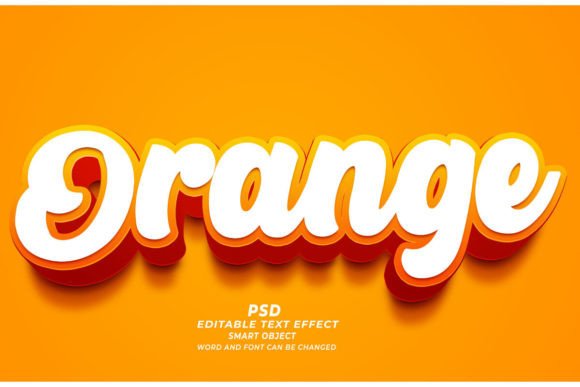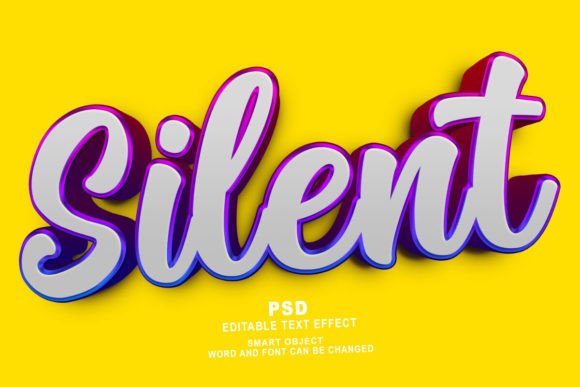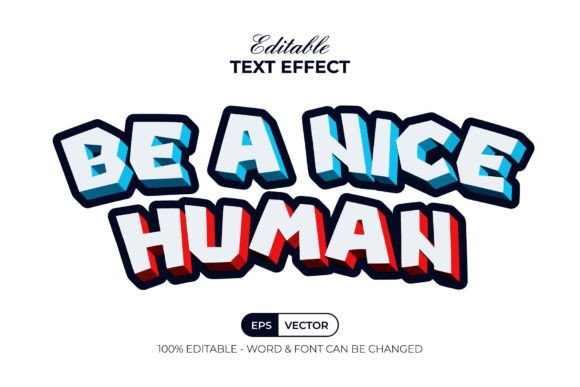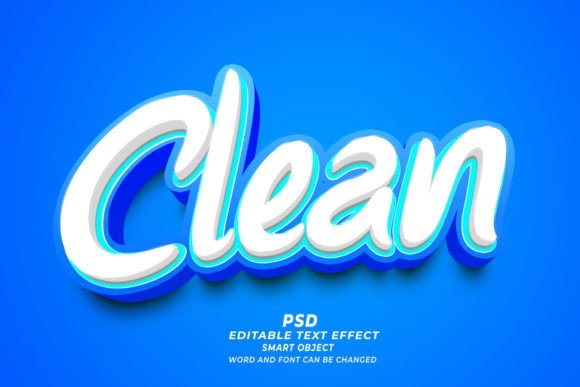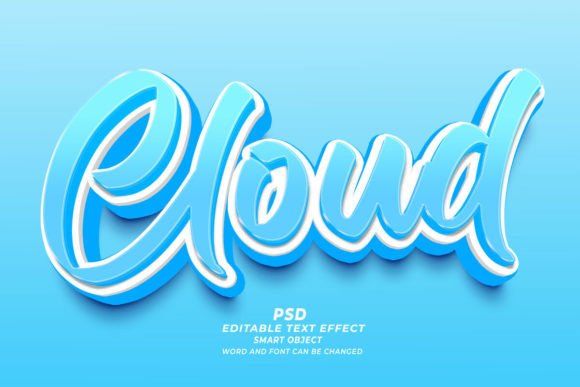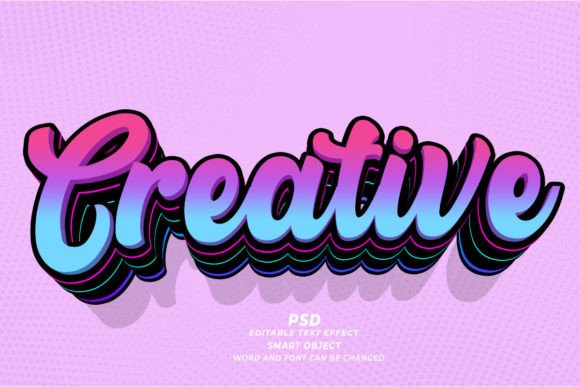
Understanding Creative PSD 3D Editable Text Effect for Professional Design Workflows
In the fast-paced world of digital design, efficiency often dictates the quality of the final output. Designers, marketers, and content creators frequently face the challenge of producing high-quality visual assets under tight deadlines. This is where a Creative PSD 3D Editable Text Effect becomes an invaluable resource. Unlike standard flat typography or complex 3D modeling software that requires hours of rendering, these pre-configured Photoshop files offer a bridge between professional aesthetics and rapid deployment. By leveraging smart object technology, users can achieve sophisticated three-dimensional results without needing deep technical expertise in lighting, shading, or polygon modeling.
The core appeal of this format lies in its accessibility. A typical package includes high-resolution files, often at 300 DPI, making them suitable for both digital screens and print media. The workflow is straightforward: open the file, locate the smart object layer, replace the placeholder text or shape, and save. The complex layer styles, bevels, embossing, and lighting effects update automatically to fit the new content. This "click and edit" capability transforms what could be a thirty-minute modeling task into a thirty-second adjustment, allowing professionals to focus on broader creative strategies rather than getting bogged down in technical execution.
Evaluating the Workflow: Smart Objects vs. Manual Creation
To understand the true value of a Creative PSD 3D editable text effect with background, one must compare it against the traditional methods of creating 3D typography. Historically, achieving a realistic 3D look required either extensive manual layer styling in Photoshop—adjusting drop shadows, inner glows, and gradients individually—or exporting to dedicated 3D software like Blender, Cinema 4D, or Maya. While those dedicated tools offer unlimited freedom, they come with a steep learning curve and significant rendering times.
In contrast, the PSD-based approach encapsulates this complexity within a single smart object. The distinction here is not just about speed; it is about consistency. When manually styling text, ensuring that every letter has uniform lighting and depth can be tedious, especially when font sizes or words change. With a pre-made effect, the parameters are locked in by the creator, ensuring that the "A" looks just as dimensional as the "Z." This consistency is crucial for branding materials where visual uniformity across different campaigns is non-negotiable.
However, this convenience does come with tradeoffs. Manual creation allows for infinite customization of angles, light sources, and material properties. A PSD template is generally fixed in its perspective and lighting setup. If a project requires a specific, unusual camera angle that the template does not provide, the user may need to revert to manual methods or search for a different template. Therefore, the decision to use a Creative PSD 3D Editable Text Effect should be based on whether the predefined style aligns with the project's artistic direction.
Versatility Across Industries and Use Cases
The adaptability of these text effects makes them relevant across a surprisingly wide range of industries. For web designers, the ability to quickly generate eye-catching headers for landing pages or web banners is a major advantage. Since these files are often optimized for screen resolution as well as print, they can be scaled down for responsive web elements without losing clarity. The inclusion of backgrounds in some packages further streamlines the process, providing a complete scene rather than just isolated text.
In the realm of Print on Demand (POD) and merchandise design, such as T-shirts, the utility is equally pronounced. POD platforms require high-resolution uploads to ensure print quality. A 300 DPI PSD file ensures that the final product looks crisp on fabric. Furthermore, because these effects work with shapes as well as text, designers can apply the same 3D treatment to logos or icons, creating a cohesive brand identity across apparel and marketing materials.
Publishing, particularly for KDP (Kindle Direct Publishing) book covers, also benefits significantly from this technology. Book covers need to stand out in thumbnail sizes on online marketplaces. A bold, 3D title often grabs attention more effectively than flat text. Using an editable effect allows authors and self-publishers to experiment with dozens of title variations rapidly, testing different fonts and wordings to see which combination offers the best visual impact before committing to a final design.
Key Decision Factors: Resolution, Compatibility, and Flexibility
When evaluating different resources for 3D text effects, several technical factors determine their suitability for your specific needs. First and foremost is resolution. Professional work demands high fidelity. Ensure that the Creative PSD 3D Editable Text Effect you choose offers at least 300 DPI if there is any possibility of print usage. Lower resolution files may appear acceptable on a monitor but will result in pixelated, unprofessional outputs when printed on large formats or merchandise.
Compatibility is another critical consideration. These effects rely heavily on Adobe Photoshop's smart object functionality. While most modern versions of Photoshop support this, users with older versions or alternative software like GIMP or Affinity Photo may find that the editing workflow is broken or unavailable. It is essential to verify that your software stack supports layered PSD files with smart objects before investing time in downloading or purchasing these assets.
Flexibility regarding fonts and shapes is also a defining feature of high-quality templates. The best resources allow you to change not just the text content, but also the font family and size without breaking the effect. Some lower-quality templates may distort the 3D extrusion if the text is too long or the font too thin. A robust template will adjust the lighting and depth dynamically to accommodate various typographic choices, giving the user the freedom to experiment with over 100 editable words, fonts, and sizes as needed.
Limitations and When to Seek Alternatives
While the benefits are clear, it is important to recognize when a PSD template is not the right tool. If a project requires photorealistic integration of text into a live-action video or a 360-degree interactive environment, a static PSD image will not suffice. In these cases, true 3D modeling software is necessary to handle dynamic lighting and camera movement. Similarly, if the design requires a highly specific, custom texture that mimics a rare material not included in the template library, manual creation might yield better results.
Additionally, reliance on templates can sometimes lead to a homogenized look if the same popular effects are used repeatedly across different projects without modification. To maintain a unique brand voice, designers should consider using these effects as a foundation rather than a final product. Tweaking color overlays, adjusting background elements, or combining multiple effects can help differentiate the final asset from others who might be using the same resource.
Making the Right Choice for Your Project
Ultimately, the decision to utilize a Creative PSD 3D editable text effect with background comes down to a balance of time, budget, and creative requirements. For agencies managing multiple client accounts, freelancers juggling diverse gigs, or marketers needing quick turnarounds for social media campaigns, the efficiency gains are undeniable. The ability to swap text and shapes instantly allows for rapid prototyping and A/B testing of visual concepts.
For those just starting in graphic design, these tools serve as an excellent educational resource. By deconstructing the layer styles within the smart objects, novice designers can learn how professional lighting and depth are achieved, gradually building the skills needed to create their own effects from scratch. Whether used as a time-saving production tool or a learning aid, these editable text effects represent a practical solution in the modern designer's toolkit, bridging the gap between amateur effort and professional polish.
Before integrating any new asset into your workflow, always review the licensing terms to ensure compliance with commercial use, especially for POD and client work. With the right selection, a high-quality 3D text effect can elevate the perceived value of your designs, making them pop off the page or screen with minimal effort.