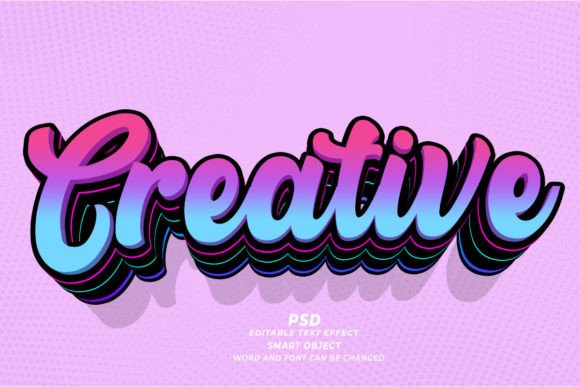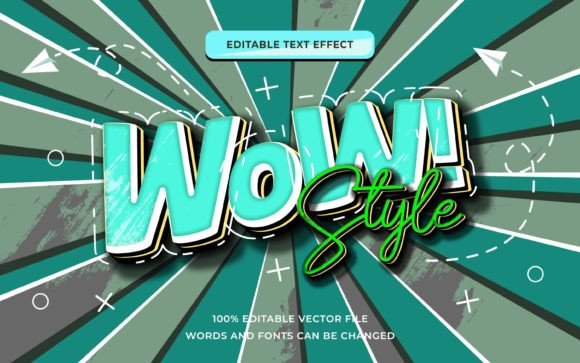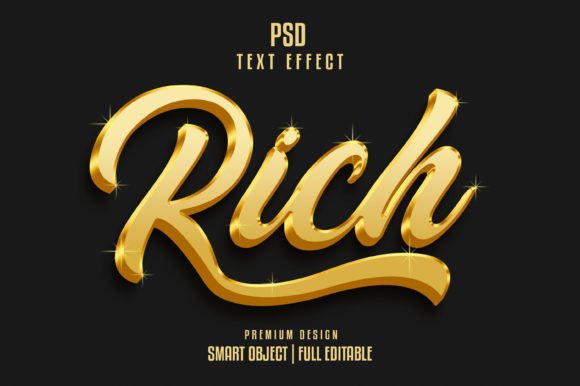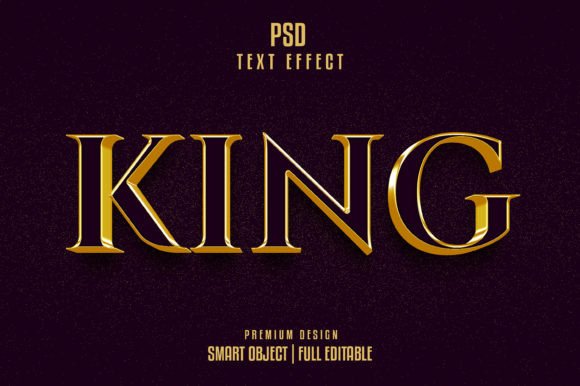
Evaluating the Comedy PSD 3D Editable Text Effect for Creative Projects
In the realm of graphic design, typography often serves as the primary vehicle for conveying tone and message. For designers working on humorous content, promotional materials, or merchandise, finding a type treatment that instantly communicates "comedy" without requiring hours of manual layer styling is a significant efficiency gain. The Comedy PSD 3D Editable Text Effect with background options represents a specific category of digital asset designed to streamline this process. This article evaluates the utility, technical requirements, and practical applications of these editable text effects to help you determine if they align with your current workflow and project goals.
Understanding the Asset Structure
At its core, a Comedy PSD 3D Editable Text Effect is a pre-configured Adobe Photoshop document. Unlike a flat image file where text is rasterized and immutable, these files utilize Smart Objects. A Smart Object is a container that preserves an image's source content with all its original characteristics. In the context of text effects, the designer has already built complex layer styles—including bevels, embossing, drop shadows, gradients, and texture overlays—and nested them within these Smart Object containers.
When you open such a file, the interface typically presents a mockup scene. To change the text, you double-click the Smart Object icon in the Layers panel, which opens a separate document tab. Here, you type your desired wording, save the file, and return to the main document. The 3D effect, lighting, and background interactions update automatically to reflect your new input. This mechanism allows for high-resolution output, typically at 300 DPI, making the assets suitable for both digital screens and physical print.
Primary Use Cases and Applications
The versatility of these text effects stems from their adaptability across various media formats. Designers often seek these assets when facing tight deadlines or when they lack advanced proficiency in Photoshop's 3D rendering capabilities. Common applications include:
- Print on Demand (POD) and Merchandise: T-shirt designs require bold, eye-catching typography that stands out against fabric textures. A 3D comedy font can add depth and tactile appeal to apparel graphics.
- KDP Book Covers: Self-publishing authors in the humor genre need covers that signal the book's tone immediately. These effects allow for rapid iteration of title treatments without hiring a specialized typographer.
- Web Banners and Marketing Materials: Digital advertising often relies on stopping power. A vibrant, three-dimensional text effect can increase click-through rates by drawing the eye more effectively than flat text.
- Social Media Content: Memes and promotional posts benefit from consistent, high-quality text styling that maintains brand recognition across multiple posts.
Benefits of Using Pre-Made 3D Effects
The most significant advantage of utilizing a Comedy PSD 3D editable text effect with background is time efficiency. Creating a convincing 3D text effect from scratch involves manipulating lighting sources, adjusting material properties, and fine-tuning shadow softness. This process can take even experienced designers several hours to perfect. By using a pre-made template, this timeline is reduced to minutes.
Furthermore, these assets offer consistency. If you are creating a series of marketing materials or a collection of t-shirts, using the same underlying effect ensures a cohesive visual identity. The ability to easily change words, fonts, and sizes means you can produce variations of a successful design rapidly. Additionally, because these files are vector-based within the Smart Object (when using type layers), they remain crisp at any scale, ensuring professional quality whether viewed on a smartphone or a billboard.
Technical Considerations and Limitations
While the benefits are clear, potential users must evaluate certain tradeoffs before purchasing or downloading these assets. The primary requirement is access to Adobe Photoshop. These files do not function in free alternatives like GIMP or browser-based editors like Canva unless those platforms specifically support layered PSD import with Smart Object retention, which is often limited.
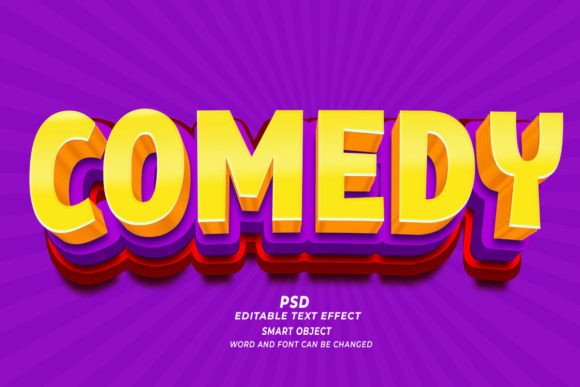
Another consideration is the specificity of the style. A "comedy" text effect usually implies a specific aesthetic—often bubbly, colorful, cartoonish, or exaggerated. While parameters like color and size are editable, the fundamental shape and extrusion style are fixed. If your project requires a subtle, minimalist 3D look, a bold comedy effect may be too distracting. Users should review the preview images carefully to ensure the stylistic direction matches their brand guidelines.
Additionally, while the text is editable, the background elements included in some "with background" versions may be rasterized. If your project requires a transparent background to overlay the text onto a custom scene, you must verify that the PSD includes a version with transparency or that the background layers can be easily hidden without breaking the lighting effects on the text.
Decision-Making: Is This Right for Your Project?
To determine if this tool fits your needs, consider your current resource constraints and skill level. If you are a seasoned 3D artist comfortable with Cinema 4D or Blender, a static PSD effect might feel limiting compared to a fully rendered 3D environment where you can control camera angles and dynamic lighting. However, for 2D designers who need a 3D look quickly, this is an optimal solution.
You should also evaluate the volume of work. If you need to generate hundreds of unique text variations for a large inventory of POD products, the "click and edit" workflow of Smart Objects provides a scalability that manual design cannot match. Conversely, if you only need one specific headline for a single website banner, the investment in a premium PSD pack might not yield a high return on investment compared to creating a simple custom style.
Alternatives and Comparative Analysis
When weighing options, it is helpful to look at alternatives. One approach is learning to create 3D text natively in Photoshop using its 3D engine. This offers total control but has a steep learning curve and can be computationally heavy on older hardware. Another alternative is using online text generators. While convenient, these often produce lower resolution outputs (72 DPI) unsuitable for print and offer limited customization regarding lighting and texture integration.
Vector-based 3D effects in Adobe Illustrator are another route. These provide infinite scalability and smaller file sizes but often lack the realistic texture and complex lighting nuances that a raster-based Photoshop PSD can achieve through layer styles and blending modes. The Comedy PSD 3D Editable Text Effect sits comfortably between these extremes, offering high-fidelity visuals with a user-friendly editing process.
Final Thoughts on Implementation
In conclusion, integrating a Comedy PSD 3D editable text effect into your design toolkit is a strategic move for professionals focused on speed and visual impact. It bridges the gap between amateur-looking flat text and professional-grade 3D typography. By understanding the technical reliance on Smart Objects and the stylistic nature of the presets, you can make an informed decision. Whether you are designing a book cover for a humor novel, launching a new line of funny t-shirts, or crafting engaging web banners, these assets provide a robust foundation. They allow you to focus less on the mechanics of lighting and shadow and more on the creative message your text conveys.
Before finalizing your choice, always check the license terms regarding commercial use, especially for POD and KDP projects, and ensure your version of Adobe Photoshop is compatible with the file format provided. With the right asset, you can elevate the perceived value of your creative work while significantly reducing production time.