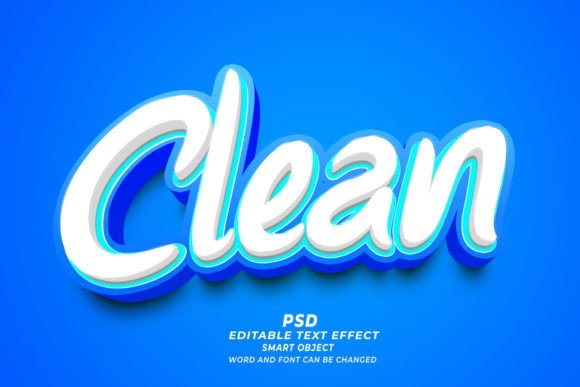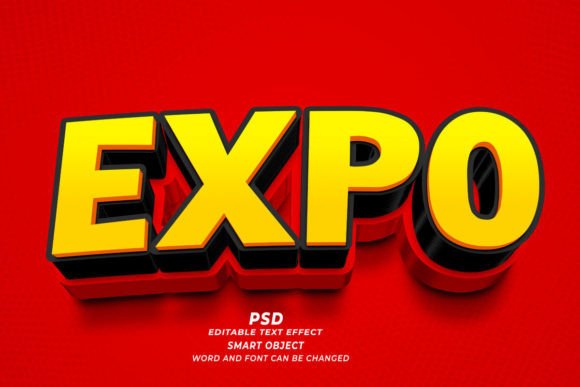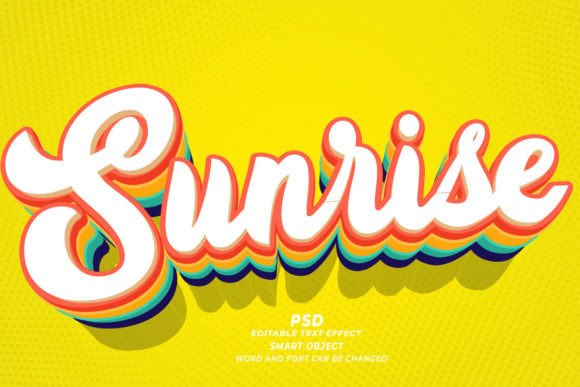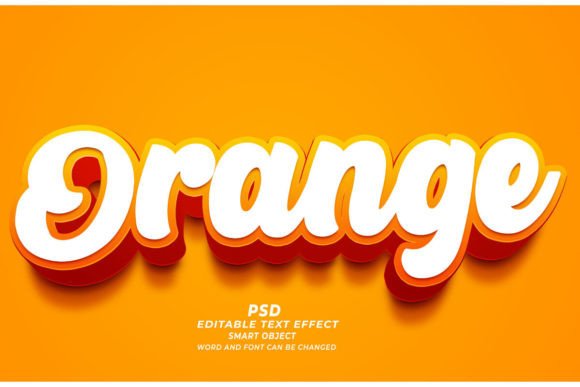
Mastering Visual Impact with Tads PSD 3D Editable Text Effect with Ba
In the fast-paced world of digital design, the ability to produce high-quality, three-dimensional typography quickly is a significant competitive advantage. Whether you are a seasoned graphic designer, a marketing professional, or a small business owner managing your own branding, the visual weight of your text often dictates the success of your communication. This is where specialized resources like the Tads PSD 3D Editable Text Effect with Ba become indispensable tools in the modern creative workflow. These assets bridge the gap between complex 3D modeling software and the accessible interface of Adobe Photoshop, allowing users to generate stunning visuals without needing to master intricate rendering engines.
The core value of these editable text effects lies in their versatility and ease of use. Traditionally, creating a realistic 3D text effect required hours of lighting setup, texture mapping, and rendering within dedicated 3D suites. Today, smart object technology has revolutionized this process. By utilizing pre-configured Photoshop files, designers can simply open the file, locate the smart object layer, replace the placeholder text with their own, and save. The result is an instant transformation where the new text inherits all the complex lighting, shadows, bevels, and environmental reflections defined in the original file. This efficiency does not come at the cost of quality; these files typically operate at 300 DPI, ensuring they are print-ready for high-resolution outputs while remaining perfectly scalable for web use.
The Mechanics of Smart Object Workflow
Understanding how these effects function provides insight into why they are so effective for a broad range of users. At the heart of the Tads PSD 3D editable text effect with background is the Photoshop Smart Object. A Smart Object is a container that preserves an image's source content with all its original characteristics. When you edit the text within this container, Photoshop automatically re-renders the layer styles, blending modes, and adjustment layers applied to the parent group.
This mechanism allows for a "click-and-edit" experience that democratizes high-end design. For educators teaching digital media, this means students can focus on typography and composition rather than getting bogged down in technical rendering settings. For researchers presenting data visually, it offers a way to create compelling titles and headers that grab attention immediately. The workflow is linear and intuitive: open the PSD, double-click the smart object thumbnail, type the new content, adjust the font or size if necessary, and save. The main document updates instantly, reflecting the changes with full 3D fidelity.
Furthermore, the flexibility extends beyond just the characters themselves. Because the system relies on layer styles and masks rather than baked-in pixels, users can modify fonts, change colors, and alter sizes without breaking the effect. Whether you need a bold, blocky font for a movie poster or a delicate script for a wedding invitation, the underlying 3D structure adapts to the glyph shapes, maintaining consistent lighting and perspective.
Diverse Applications Across Industries
The utility of these text effects spans a vast array of industries and project types. One of the most prominent use cases is in Print on Demand (POD) and merchandise design. Platforms selling custom t-shirts, mugs, and hoodies rely heavily on eye-catching graphics. A 3D text effect adds depth and tactile appeal to a flat garment, making the design pop. Designers can rapidly iterate through different slogans and phrases using the same 3D style, allowing them to test multiple concepts for a specific niche market in minutes rather than hours.
In the realm of publishing, particularly for KDP (Kindle Direct Publishing) book covers, standing out in a crowded marketplace is critical. A book cover often needs to convey genre and tone instantly. A thriller might require sharp, metallic 3D lettering, while a fantasy novel might benefit from glowing, ethereal text. Using a resource like the Tads PSD collection, self-publishing authors and cover designers can experiment with various high-resolution 3D styles to find the perfect match for their narrative, ensuring the final cover looks professional and competitive against traditionally published works.
Marketing materials also benefit significantly from this technology. Web banners, social media ads, and email headers require high impact to stop the scroll. A static, flat headline often gets ignored, but a headline with depth, shadow, and realistic lighting commands attention. These PSD effects allow marketing teams to maintain brand consistency while refreshing their visual assets regularly. Since the files are editable, a campaign can be adapted for different regions or promotions by simply swapping the text while keeping the established 3D aesthetic intact.
Technical Considerations and Quality Standards
While the ease of use is a major selling point, the technical specifications of these files are equally important for professional results. High resolution is non-negotiable for print applications. The standard for professional printing is 300 DPI (dots per inch). Many free or low-quality templates online are set to 72 DPI, which is suitable only for screens. If printed, these low-resolution files appear pixelated and amateurish. Premium effects like those found in the Tads collection are engineered at 300 DPI, ensuring that whether the output is a large format banner or a small business card, the edges remain crisp and the gradients smooth.
Another critical factor is the adaptability of the effect to different shapes and lengths of text. Not all words are the same length, and not all fonts have the same width. A robust 3D text effect must handle short words like "GO" and long phrases like "INNOVATION" without distorting the perspective or losing the lighting balance. Advanced PSD setups include scaling mechanisms and lighting groups that adjust dynamically. This ensures that the light source remains consistent relative to the text, regardless of how the user manipulates the content.
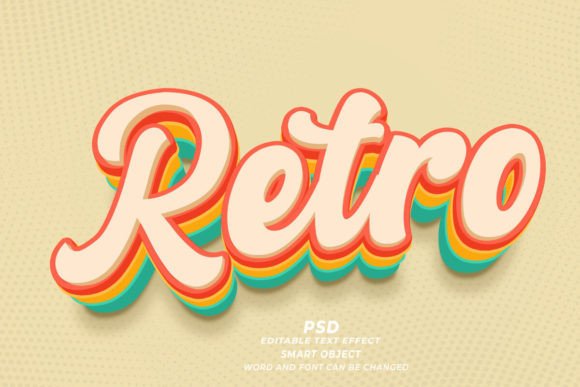
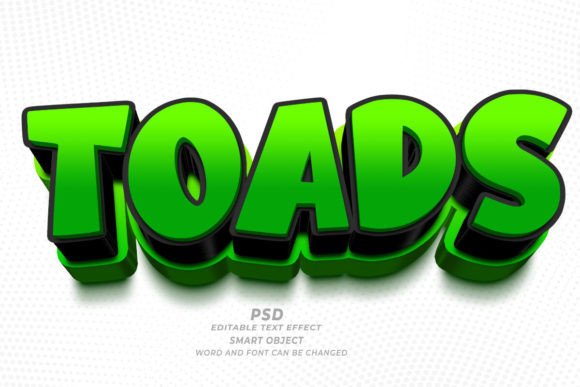
Moreover, the inclusion of backgrounds in these packages adds another layer of convenience. A Tads PSD 3D editable text effect with background provides a complete scene. Instead of placing 3D text on a transparent layer and searching for a matching background image, the designer receives a cohesive composition. The background is often lit to match the text, creating a unified atmosphere. This is particularly useful for web banners where the entire visual unit needs to be delivered as a single JPG or PNG. However, because the elements are layered, the background can also be swapped out entirely if the project requires a specific brand color or image.
Empowering Non-Designers and Hobbyists
One of the most profound impacts of accessible 3D text effects is the empowerment of non-designers. Small business owners, event organizers, and hobbyists often have limited budgets and cannot afford to hire professional graphic designers for every small task. Yet, they still need to produce materials that look professional. Tools that simplify complex processes allow these individuals to take control of their visual identity.
For instance, a local bakery wanting to advertise a special 3D cake design can use these templates to create a mouth-watering flyer without needing to learn Photoshop from scratch. A YouTuber looking to upgrade their thumbnail game can apply a glossy, 3D title to their images to increase click-through rates. The learning curve is flattened significantly; the barrier to entry shifts from "how do I render light?" to "what should my message say?" This shift allows creators to focus on strategy and content rather than technical execution.
Educators can also leverage these tools to teach principles of design. By providing students with a pre-built 3D environment, teachers can assign projects focused on typography selection, color theory, and layout composition. Students learn how different fonts interact with light and shadow, gaining an intuitive understanding of form and space without the frustration of setting up a 3D scene from zero.
Strategic Implementation in Digital Campaigns
When integrating these effects into a broader digital strategy, consistency is key. Using a specific 3D style across multiple touchpoints—such as a website header, a Facebook ad, and an Instagram story—creates a recognizable visual language. The editable nature of these PSD files makes this consistency easy to maintain. A brand manager can distribute the master PSD file to various team members, ensuring that everyone generates assets that look like they belong to the same family.
Additionally, the speed of iteration allows for A/B testing. In digital marketing, testing different headlines is common practice. With traditional 3D workflows, testing ten different headlines would be prohibitively time-consuming. With smart object-based effects, a marketer can generate ten variations of an ad creative in under an hour. This agility enables data-driven decision-making, where the best-performing visual can be identified and scaled quickly.
It is also worth noting the compatibility of these files with other design elements. While the text is the focal point, these effects often include adjustment layers for color grading, noise, and vignetting. This means the text effect can be further customized to match the mood of the campaign. A summer sale might require bright, saturated colors and high contrast, while a luxury product launch might demand muted tones and soft lighting. The modular structure of the PSD allows for these fine-tuned adjustments without compromising the integrity of the 3D effect.
Future-Proofing Your Design Assets
Investing in high-quality, editable resources is a form of future-proofing your design library. Trends in typography and 3D aesthetics evolve, but the fundamental need for clear, impactful communication remains. A well-constructed PSD text effect is timeless in its utility. Even if the specific style falls out of fashion, the technique of using smart objects for rapid prototyping remains relevant. Furthermore, as screen resolutions increase and retina displays become standard, having source files at 300 DPI ensures that your assets remain sharp on any device.
The Tads PSD 3D Editable Text Effect with Ba represents more than just a shortcut; it represents a shift in how visual content is produced. It acknowledges that in the modern economy, speed and quality must coexist. By abstracting the technical complexities of 3D rendering into an easy-to-use interface, these tools unlock creativity for a wider audience. They allow professionals to work faster, businesses to save money, and creators to realize their visions with greater fidelity.
Ultimately, the goal of any design tool is to serve the message. When the tool disappears into the background, allowing the creator to focus purely on the content, it has succeeded. These editable text effects achieve exactly that. They provide a robust foundation upon which endless variations can be built, ensuring that whether for a t-shirt, a book cover, or a global ad campaign, the text stands out with dimension, style, and professionalism. As the demand for visual content continues to surge, the ability to harness such efficient, high-quality tools will remain a vital skill for anyone involved in the creation of digital and print media.