Elevating Brand Identity with Wood 3D Text Effect Luxury Styles
In the competitive landscape of digital marketing and print design, texture often serves as the differentiator between a generic layout and a memorable brand identity. The Wood 3D Text Effect Luxury Text Styles represents a specific category of design assets aimed at bridging the gap between high-end aesthetic appeal and practical workflow efficiency. For professionals ranging from freelance graphic designers to small business owners managing their own marketing materials, the ability to deploy sophisticated typography without extensive manual rendering is a significant advantage. This analysis explores the utility, technical specifications, and real-world application of these luxury text styles, focusing on how they integrate into modern creative workflows.
The Intersection of Organic Texture and Digital Precision
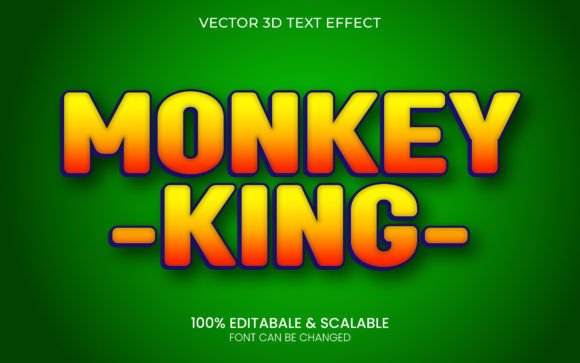
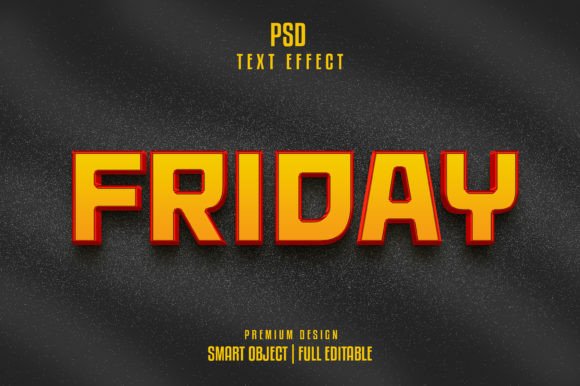
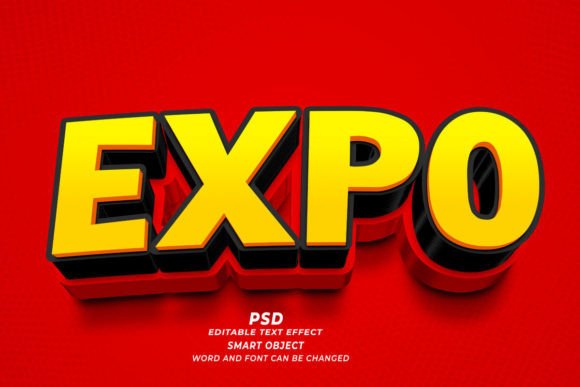
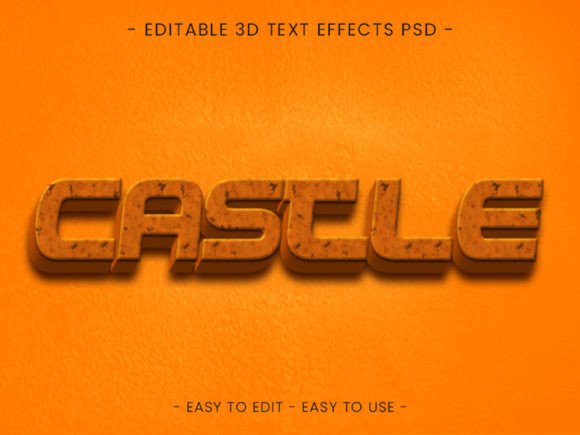
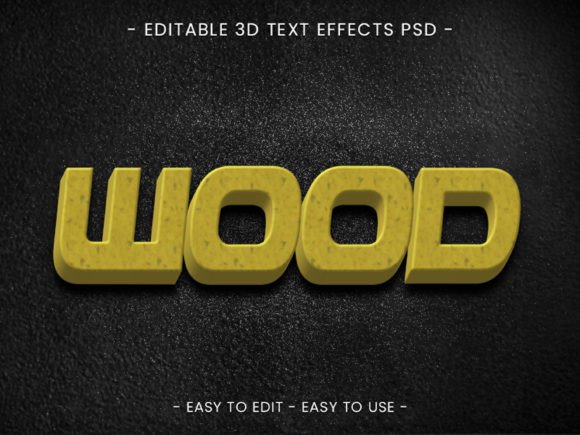
The core value proposition of the Wood 3D Text Effect Luxury Text Styles lies in its simulation of natural materials within a digital environment. Wood textures convey warmth, reliability, and a sense of established quality—attributes that are particularly effective for brands in the artisanal, real estate, hospitality, and publishing sectors. Unlike flat vector graphics, these styles utilize depth, shadow, and grain mapping to create a tactile illusion. When applied correctly, this effect stops the scroll on social media feeds or draws the eye on a physical book cover.
What makes this specific asset worth discussing is not merely the visual output, but the underlying structure that allows for customization. Many pre-made text effects on the market are rasterized images, meaning the text cannot be changed without starting over. In contrast, high-quality implementations of wood 3D styles leverage Smart Object technology. This feature allows the user to replace the placeholder text with their own wording while automatically retaining the complex lighting, bevels, and wood grain overlays. This distinction is critical for professionals who need to iterate quickly across multiple projects without sacrificing visual fidelity.
Technical Specifications and Workflow Efficiency
From a technical standpoint, the usability of any design asset is determined by its file format and resolution capabilities. The package in question includes files compatible with industry-standard software, typically Adobe Photoshop, delivered in a compressed .zip archive. Inside, users will find the primary working files (often in .PSD format utilizing Smart Objects), along with supplementary formats like .EPS, .JPG, and .PNG. The inclusion of an .EPS file is particularly notable for vector-based workflows, allowing for scalability in large-format printing where pixelation must be avoided.
A defining characteristic of this tool is its 300 DPI resolution. In the realm of print design, specifically for products like KDP book covers, marketing brochures, or merchandise, 72 DPI (standard for web) is insufficient. A 300 DPI source file ensures that when the design is printed, the wood grain remains crisp and the edges of the 3D text do not appear jagged. This high-resolution foundation makes the asset versatile enough for both digital banners and physical products, providing long-term value as projects scale from web prototypes to final production.
Furthermore, the claim of "No Skill Requirement" warrants a nuanced examination. While the asset is designed to be user-friendly, it effectively lowers the barrier to entry for complex 3D rendering. Traditionally, creating a realistic wood texture with proper displacement maps and lighting requires advanced knowledge of 3D modeling software or intricate layer styling in Photoshop. By encapsulating these settings into an editable template, the tool democratizes access to high-end effects. However, "easy to edit" does not mean "no judgment required." The user still needs an eye for typography and composition to ensure the chosen font complements the heavy texture of the wood effect.
Versatility Across Industries and Projects
The practical application of Wood 3D Text Effect Luxury Text Styles extends across a wide array of industries. For authors and self-publishers using platforms like Kindle Direct Publishing (KDP), a book cover is the primary sales tool. A title rendered in a luxurious wood style can immediately signal genre expectations, such as historical fiction, fantasy, or nature-focused non-fiction. The ability to swap fonts easily means an author can test five different title variations in minutes to see which resonates best with their target audience.
Similarly, marketers and entrepreneurs developing brand identities for craft breweries, woodworking shops, or rustic cafes can utilize these styles to maintain thematic consistency. The asset supports over 100 editable fonts, offering a broad typographic palette. This variety is essential because the personality of a brand often hinges on the typeface; a bold slab serif conveys strength, while a flowing script suggests elegance. Having the flexibility to switch fonts while maintaining the same high-quality wood texture allows for rapid prototyping of logo concepts and web banners.
In the realm of Print on Demand (POD), where margins are tight and speed is essential, these templates offer a streamlined solution. Designers can create listings for t-shirts, mugs, or wall art featuring customized names or phrases in 3D wood text. Because the files are fully editable, a single template can generate hundreds of unique product variations without the need to recreate the effect from scratch for each order.
Evaluating Quality and Long-Term Value
When assessing the quality of digital assets, consistency and reliability are paramount. A common pitfall with free or low-cost text effects is inconsistent lighting or poorly mapped textures that look artificial under scrutiny. High-quality luxury styles distinguish themselves through realistic shadowing and highlight placement that mimics real-world light sources. The effectiveness of the Wood 3D Text Effect depends on how well these elements hold up when the text length changes. A robust Smart Object setup will adjust the perspective and lighting dynamically, ensuring that a three-letter word looks just as polished as a ten-letter headline.
The inclusion of support files and a help document further enhances the asset's value. Even with "no skill requirement" marketing, users may encounter version compatibility issues or need clarification on how to install fonts. Access to a dedicated help file and the option to contact the creator for questions provides a safety net that is often missing in digital marketplaces. This level of support contributes to a smoother user experience and reduces the friction often associated with integrating new tools into an existing workflow.
However, potential users should also consider limitations. While the wood effect is versatile, it is stylistically specific. It may not suit brands aiming for a ultra-modern, minimalist, or tech-forward aesthetic where flat design or neon gradients are preferred. Additionally, while the fonts are editable, the specific wood textures themselves may be fixed within the style layers. Users looking to change the wood species from oak to mahogany might need intermediate Photoshop skills to adjust the underlying texture maps, depending on how the file is constructed.
Strategic Implementation for Professionals
For the serious hobbyist or the seasoned professional, the decision to invest in specialized text styles comes down to time management and output quality. Time saved on rendering effects can be redirected toward strategy, client communication, or refining the overall composition of a project. The Wood 3D Text Effect Luxury Text Styles serves as a force multiplier in this regard. It allows a solo entrepreneur to produce marketing materials that rival those of larger agencies with dedicated art departments.
To maximize the utility of these files, users should focus on contrast and legibility. Wood textures are inherently busy. When overlaying text on complex backgrounds, it is crucial to ensure that the 3D effect provides enough separation from the background elements. The depth provided by the 3D styling helps in this regard, but careful attention to color harmony is still necessary. Pairing the warm tones of the wood with complementary background colors can enhance the luxurious feel, whereas clashing colors can diminish the effect.
In conclusion, the Wood 3D Text Effect Luxury Text Styles offers a compelling blend of aesthetic sophistication and functional ease. Its strength lies in the Smart Object architecture that preserves high-resolution quality while allowing for rapid customization. Whether utilized for a KDP book cover, a website header, or a printed marketing flyer, this tool provides a reliable method for adding tangible texture to digital designs. For creators seeking to elevate their visual content without getting bogged down in technical complexity, this asset represents a practical and valuable addition to their design toolkit.